Saturday, 1 July 2023

Can ZINC SULFATE Stop MUSCLE CRAMP FAST And Prevent It From Coming Back?


Muscle cramps can be an uncomfortable and disruptive experience. Finding effective solutions to stop cramps quickly and prevent their recurrence is a priority for many individuals. One potential remedy that has gained attention is zinc sulfate. In this article, we will explore the role of zinc sulfate in addressing muscle cramps, its mechanisms of action, scientific evidence supporting its use, dosage recommendations, potential side effects, and practical tips for incorporating it into your routine. By understanding the connection between zinc sulfate and muscle cramps, you can make informed decisions about its potential benefits for your muscle health.

Understanding Zinc Sulfate: Before delving into its effects on muscle cramps, it's important to have a solid understanding of zinc sulfate. Zinc sulfate is a compound derived from zinc, an essential mineral for various physiological processes in the body. It is available in different forms as a dietary supplement, offering convenient options for individuals looking to boost their zinc intake. Zinc plays a crucial role in numerous bodily functions, including immune function, wound healing, and protein synthesis. Its impact on muscle health and cramp prevention is of particular interest.

The Connection Between Zinc and Muscle Cramps: Muscle cramps can occur due to various factors, including dehydration, electrolyte imbalances, muscle fatigue, and nerve dysfunction. Minerals, including zinc, play a vital role in muscle function. Zinc is involved in maintaining proper electrolyte balance, facilitating nerve signal transmission, reducing inflammation, and promoting muscle relaxation. By addressing these underlying factors, zinc sulfate has the potential to alleviate muscle cramps and prevent their recurrence.

Mechanisms of Action: Zinc sulfate exerts its effects on muscle cramps through several mechanisms. Firstly, electrolyte balance is crucial for optimal muscle function, and zinc helps regulate the levels of electrolytes such as potassium and magnesium. Secondly, zinc plays a role in nerve signal transmission, ensuring efficient communication between nerves and muscles, which helps prevent cramps caused by nerve dysfunction. Thirdly, zinc sulfate exhibits anti-inflammatory properties, reducing inflammation in the muscles and relieving discomfort associated with cramps. Lastly, zinc influences calcium ion channels, which are essential for muscle contractions. By promoting muscle relaxation, zinc sulfate may help prevent cramps.

Research and Evidence: Scientific studies have examined the effects of zinc sulfate on muscle cramps, albeit with varying results. While some studies suggest a positive impact, others have shown conflicting or inconclusive findings. Further research is needed to fully understand the efficacy of zinc sulfate in muscle cramp prevention. Nevertheless, the existing evidence provides valuable insights into its potential benefits.

Zinc Sulfate Dosage and Administration: Determining the appropriate dosage of zinc sulfate is essential for safe and effective use. The recommended daily allowance of zinc varies depending on factors such as age, gender, and individual health conditions. It is important to consult healthcare professionals or refer to reputable sources to determine the appropriate dosage for your specific needs. Selecting a high-quality zinc sulfate supplement is also crucial to ensure optimal absorption and effectiveness.

Potential Side Effects and Interactions: While zinc sulfate is generally considered safe when used as directed, it can have potential side effects in certain individuals. These may include gastrointestinal discomfort, nausea, and copper deficiency. It is important to be aware of potential interactions with medications and other supplements, as zinc sulfate can interfere with their absorption or efficacy. Consulting with a healthcare professional is recommended, especially if you have pre-existing health conditions or are taking other medications.

Tips for Incorporating Zinc Sulfate: Incorporating zinc sulfate into your routine can be done through dietary sources or supplementation. Foods rich in zinc include oysters, red meat, poultry, legumes, and nuts. If considering supplementation, it is advisable to choose high-quality zinc sulfate supplements from reputable brands. It is essential to follow the recommended dosage guidelines provided and to consult a healthcare professional before starting any new supplement regimen.

Holistic Approaches to Muscle Cramp Prevention: While zinc sulfate shows potential in preventing muscle cramps, adopting a holistic approach is beneficial. Adequate hydration, consuming electrolyte-rich foods, incorporating stretching and warm-up exercises into your routine, and maintaining a balanced diet and lifestyle can all contribute to muscle health and cramp prevention. Taking a comprehensive approach ensures that you address multiple factors that can contribute to muscle cramps.

Other Supplements for Muscle Cramp Relief: In addition to zinc sulfate, other supplements can potentially aid in muscle cramp relief. Magnesium supplementation is commonly recommended as magnesium deficiency is associated with muscle cramps. Calcium is another mineral essential for muscle function, and ensuring adequate intake may contribute to cramp prevention. Vitamin D, known for its role in bone health, may also play a part in muscle health and cramp prevention.

Lifestyle Factors and Muscle Cramps: Aside from supplements, certain lifestyle factors can influence muscle cramp occurrence. Engaging in regular exercise helps maintain muscle strength and flexibility, reducing the likelihood of cramps. Managing stress through relaxation techniques and ensuring quality sleep can also positively impact muscle function. Addressing these lifestyle factors holistically contributes to overall muscle health and cramp prevention.

Zinc sulfate, a form of zinc commonly used as a dietary supplement, has demonstrated its potential in benefiting various aspects of human health.

Click Here To Learn More About The Natural Product That Combines Various Nutrients

Let's delve into how Zinc Sulfate has been shown to positively impact different areas of the body

  1. Alleviating Muscle Twitches and Cramps: Zinc sulfate plays a crucial role in muscle function and contraction. By regulating the balance of electrolytes and optimizing nerve signal transmission, zinc sulfate helps prevent and reduce muscle twitches and cramps. It ensures proper muscle relaxation, reducing the occurrence of involuntary muscle contractions.

  2. Supporting Cell Health: As an essential mineral, zinc is involved in numerous cellular processes, including DNA synthesis, cell division, and growth. By providing the necessary building blocks and enzymatic support, zinc sulfate contributes to overall cell health and function.

  3. Promoting Red Blood Cell Growth: Zinc sulfate is instrumental in the production and maturation of red blood cells, which are responsible for oxygen transport throughout the body. Adequate levels of zinc sulfate support the synthesis of hemoglobin, the protein that binds oxygen in the bloodstream, thus promoting healthy red blood cell growth.

  4. Enhancing Muscle Tone: Maintaining optimal muscle tone is crucial for proper movement, strength, and stability. Zinc sulfate aids in muscle development and toning by supporting protein synthesis and providing the necessary components for muscle tissue repair and growth.

  5. Boosting Energy Levels: Zinc sulfate participates in energy metabolism by assisting in the breakdown of carbohydrates, fats, and proteins. By supporting key enzymes involved in energy production, zinc sulfate helps enhance energy levels and combat fatigue.

  6. Preserving Good Eyesight: Zinc sulfate contributes to eye health by promoting the metabolism of vitamin A, a vital nutrient for vision. It aids in the production of a pigment called melanin, which protects the eyes from harmful ultraviolet (UV) light. Adequate zinc sulfate levels are essential for maintaining good eyesight and preventing vision-related issues.

  7. Supporting Healthy Brain Function: Zinc sulfate is involved in various neurochemical processes and neurotransmitter regulation in the brain. It supports synaptic plasticity, which is essential for learning and memory formation. Adequate zinc sulfate levels contribute to optimal brain function and cognition.

  8. Facilitating Good Digestion: Zinc sulfate is required for the production and release of digestive enzymes that help break down food and facilitate nutrient absorption. It also supports the health and integrity of the gastrointestinal lining, promoting proper digestion and nutrient utilization.

  9. Stimulating Healthy Appetite: In cases of zinc deficiency, individuals may experience a loss of appetite. Supplementing with zinc sulfate has been shown to restore a healthy appetite by addressing the underlying nutrient imbalance. By improving the sense of taste and smell, zinc sulfate helps stimulate a desire for food.

  10. Maintaining Correct Nerve Function: Zinc sulfate plays a crucial role in nerve function and communication. It supports the formation and stabilization of nerve cell membranes and aids in the transmission of nerve signals. By ensuring correct nerve function, zinc sulfate helps prevent issues related to nerve dysfunction.

Incorporating zinc sulfate into your diet or supplementation routine, under the guidance of healthcare professionals, can offer potential benefits in the areas mentioned above. However, it is important to note that individual responses may vary, and maintaining balanced zinc levels is key to reaping its full advantages.

Click Here To Learn More About The Natural Product That Combines Various Nutrients

Benefits Of Zinc sulfate In Prevent Muscle Cramps

  1. Regulates Muscle Contraction: Zinc sulfate plays a crucial role in muscle function, including the regulation of muscle contractions. By ensuring the proper balance of electrolytes and facilitating nerve signal transmission, zinc sulfate helps prevent and alleviate muscle cramps.

  2. Enhances Muscle Relaxation: Muscle cramps often occur due to involuntary muscle contractions and spasms. Zinc sulfate helps promote muscle relaxation by regulating the activity of calcium ions, which are involved in muscle contraction. By maintaining the balance of calcium and other minerals, zinc sulfate aids in preventing cramps.

  3. Supports Electrolyte Balance: Electrolyte imbalances, such as low levels of magnesium or potassium, can contribute to muscle cramps. Zinc sulfate assists in maintaining proper electrolyte balance, which is essential for normal muscle function and reducing the likelihood of cramps.

  4. Reduces Oxidative Stress: Oxidative stress can contribute to muscle cramps by causing inflammation and impairing muscle function. Zinc sulfate acts as an antioxidant, protecting cells and tissues from oxidative damage. By reducing oxidative stress, zinc sulfate helps minimize the risk of muscle cramps.

  5. Improves Nutrient Absorption: Zinc sulfate is involved in the metabolism and absorption of various nutrients, including magnesium and calcium. Adequate zinc levels enhance the absorption of these minerals, which are essential for muscle health and cramp prevention.

  6. Enhances Muscle Recovery: Intense exercise or physical activity can lead to muscle fatigue and an increased risk of cramps. Zinc sulfate supports muscle recovery by aiding in protein synthesis, tissue repair, and the reduction of exercise-induced inflammation, thereby minimizing the occurrence of muscle cramps.

  7. Supports Nerve Function: Proper nerve function is crucial for muscle contraction and relaxation. Zinc sulfate plays a vital role in nerve signal transmission and the maintenance of healthy nerve cells. By supporting optimal nerve function, zinc sulfate helps prevent muscle cramps.

  8. Boosts Immune System Function: A strong immune system is essential for overall health, including muscle health. Zinc sulfate supports immune system function and helps prevent infections and inflammation that can contribute to muscle cramps.

  9. Supports Energy Metabolism: Zinc sulfate is involved in energy metabolism, aiding in the breakdown of carbohydrates, fats, and proteins. By supporting efficient energy production, zinc sulfate helps prevent muscle fatigue and cramping associated with energy depletion.

  10. Promotes Overall Muscle Health: Zinc sulfate contributes to overall muscle health by supporting muscle growth, strength, and maintenance. It helps optimize muscle tone, flexibility, and coordination, reducing the risk of muscle cramps.

It's important to note that individual responses to zinc sulfate may vary, and it is recommended to consult with a healthcare professional before starting any supplementation regimen. Additionally, a balanced diet that includes zinc-rich foods is crucial for maintaining optimal zinc levels and supporting muscle health.

Conclusion: While the connection between zinc sulfate and muscle cramps shows promise, further research is needed to fully understand its effectiveness. However, considering the importance of zinc in muscle function and its potential mechanisms of action, incorporating zinc sulfate as part of a comprehensive approach to muscle cramp prevention may be beneficial for some individuals. As with any dietary supplement, it is essential to consult with healthcare professionals to determine the appropriate dosage and assess its suitability for your specific circumstances. By taking a proactive and holistic approach, you can optimize muscle health and reduce the occurrence of muscle cramps.

Click Here To Learn More About The Natural Product That Combines Various Nutrients

Can BIOPERINE Stop MUSCLE CRAMP FAST And Prevent It From Coming Back?


Bioperine, a patented extract of black pepper fruit, has gained attention for its potential health benefits and its role in enhancing nutrient absorption. While there is limited direct research on the specific effects of Bioperine on muscle cramps, it may indirectly contribute to preventing cramps by improving nutrient absorption and overall nutrient status. Let's explore the potential impact of Bioperine on muscle cramps:

Enhanced Nutrient Absorption: Bioperine has been shown to enhance the bioavailability of various nutrients by increasing their absorption in the body. This includes essential minerals like magnesium, potassium, and calcium, which play crucial roles in muscle function and preventing muscle cramps. By improving the absorption of these minerals, Bioperine may indirectly support muscle health and reduce the likelihood of cramps.

Improved Nutrient Status: By facilitating nutrient absorption, Bioperine can contribute to improving overall nutrient status. Nutritional deficiencies, such as insufficient intake of magnesium or other key electrolytes, can increase the risk of muscle cramps. Therefore, by enhancing nutrient absorption, Bioperine may help address nutrient deficiencies and support optimal muscle function, potentially reducing the occurrence of cramps.

Anti-Inflammatory Potential: Bioperine has also been associated with anti-inflammatory properties. Inflammation can sometimes contribute to muscle cramps, especially in cases of overuse or injury. By reducing inflammation, Bioperine may help alleviate muscle discomfort and potentially minimize the frequency or intensity of muscle cramps associated with inflammation.

Note of Caution: While Bioperine may offer potential benefits, it is important to consult with a healthcare professional before considering its use for preventing muscle cramps. They can provide personalized guidance based on your specific health condition, medication interactions, and overall nutritional needs.

Comprehensive Approach to Preventing Muscle Cramps: Preventing muscle cramps requires a comprehensive approach that includes factors such as proper hydration, balanced nutrition, regular exercise, and addressing any underlying medical conditions. While Bioperine may have its potential benefits, it should be seen as part of an overall strategy rather than a standalone solution.

Bioperine, a unique extract derived from black pepper fruit, has been studied for its potential benefits in various aspects of health. 

Click Here To Learn More About The Natural Product That Combines Various Nutrients

Let's explore how Bioperine has been shown to support:

  1. Mitigation of Muscle Twitches and Cramps: Bioperine has demonstrated potential in alleviating muscle twitches and cramps, possibly by modulating muscle excitability and enhancing calcium regulation within muscle cells. This can contribute to smoother muscle contractions and reduce the occurrence of involuntary muscle spasms.

  2. Promotion of Cell Health: The active constituents of Bioperine have been found to possess antioxidant properties, which can help protect cells from oxidative stress and damage. By safeguarding cellular health, Bioperine aids in maintaining the overall integrity and functionality of various tissues in the body.

  3. Facilitation of Red Blood Cell Growth: Bioperine has been associated with the potential to enhance the absorption of certain nutrients involved in red blood cell production, such as iron and vitamin B12. By improving the utilization of these essential components, Bioperine may support the optimal growth and maintenance of red blood cells, aiding in proper oxygen transport throughout the body.

  4. Optimization of Muscle Tone: Bioperine's influence on nutrient absorption may indirectly contribute to improving muscle tone. By enhancing the delivery of vital nutrients like amino acids and minerals to muscle tissues, Bioperine supports their growth, repair, and maintenance, thereby assisting in the development of optimal muscle tone.

  5. Boosting Energy Levels: Bioperine has been shown to enhance nutrient absorption, including that of energy-yielding compounds like carbohydrates and certain B vitamins. By improving the availability of these energy sources, Bioperine can contribute to enhanced energy metabolism, leading to increased energy levels and reduced fatigue.

  6. Support for Good Eyesight: Certain bioactive components in Bioperine possess antioxidant and anti-inflammatory properties, which may help protect eye tissues from damage caused by oxidative stress or inflammation. This potential protective effect can support good eyesight and contribute to maintaining optimal ocular health.

  7. Promotion of Healthy Brain Function: Bioperine's ability to enhance nutrient absorption, particularly of certain brain-supporting compounds like curcumin, may contribute to improved cognitive function and overall brain health. By facilitating the bioavailability of these beneficial compounds, Bioperine may aid in maintaining mental clarity and supporting healthy brain function.

  8. Enhancement of Digestive Health: Bioperine has been found to stimulate digestive enzymes and promote better nutrient absorption in the gastrointestinal tract. This improved digestive efficiency can support overall digestive health, ensuring proper breakdown and assimilation of nutrients from the diet.

  9. Regulation of Healthy Appetite: Bioperine's impact on nutrient absorption, particularly of compounds involved in appetite regulation, may indirectly influence satiety and food intake. By optimizing the absorption of these appetite-modulating nutrients, Bioperine can contribute to the maintenance of a healthy appetite and support a balanced diet.

  10. Maintenance of Correct Nerve Function: Bioperine's potential to enhance nutrient absorption, including essential nutrients for nerve health, may contribute to the maintenance of correct nerve function. By ensuring an adequate supply of nerve-supporting nutrients, Bioperine aids in the proper transmission of nerve signals and promotes optimal nervous system functioning.

It's important to note that while Bioperine shows promise in these areas, further research is needed to fully understand its mechanisms and specific effects. As with any supplement, it is advisable to consult with a healthcare professional before incorporating Bioperine or any new dietary supplement into your routine.

Bioperine, a natural extract derived from black pepper fruit, has been studied for its potential benefits in various aspects of health, including muscle cramp prevention.

Click Here To Learn More About The Natural Product That Combines Various Nutrients

Here are 10 Potential benefits of Bioperine in stopping muscle cramps:

  1. Enhanced Nutrient Absorption: Bioperine has been shown to improve the absorption of essential nutrients, such as magnesium and potassium, which are crucial for proper muscle function. By increasing the bioavailability of these nutrients, Bioperine may help prevent imbalances that can lead to muscle cramps.

  2. Improved Muscle Relaxation: Bioperine may aid in promoting muscle relaxation by modulating calcium ion channels and reducing muscular excitability. This can help prevent excessive muscle contractions and minimize the occurrence of cramps.

  3. Anti-inflammatory Effects: Bioperine exhibits anti-inflammatory properties, which can help reduce inflammation in muscles and alleviate pain associated with cramps. By mitigating inflammation, it may contribute to the prevention and relief of muscle cramps.

  4. Antioxidant Support: The antioxidant properties of Bioperine can help protect muscles from oxidative stress and damage. This can support overall muscle health and reduce the likelihood of cramps caused by cellular damage.

  5. Improved Blood Circulation: Bioperine has been suggested to enhance blood circulation by promoting vasodilation, the widening of blood vessels. Improved circulation ensures an adequate supply of oxygen and nutrients to muscles, reducing the risk of cramps due to poor blood flow.

  6. Electrolyte Balance: Bioperine's ability to enhance nutrient absorption may aid in maintaining proper electrolyte balance. Electrolytes like sodium, potassium, and magnesium are essential for muscle contraction and preventing cramps.

  7. Muscle Recovery: Bioperine has been shown to support post-exercise muscle recovery by aiding in nutrient absorption and reducing inflammation. By facilitating the replenishment of vital nutrients and promoting faster muscle repair, it may help prevent cramps associated with overworked or fatigued muscles.

  8. Nervous System Regulation: Bioperine's potential to improve nutrient absorption, including those important for nerve function, can contribute to the proper functioning of the nervous system. This can help prevent muscle cramps caused by nerve dysfunction or miscommunication.

  9. Balanced pH Levels: Bioperine may assist in maintaining proper pH levels in the muscles. Imbalances in pH can lead to muscle cramps, and Bioperine's influence on nutrient absorption may help optimize pH regulation and prevent cramp-inducing conditions.

  10. Muscle Relaxant Effects: Some research suggests that Bioperine may possess muscle relaxant properties, which can help alleviate muscle tension and reduce the likelihood of cramps. Promoting muscle relaxation, it may offer relief from cramp symptoms.

While Bioperine shows potential in stopping muscle cramps, it's important to note that further research is needed to fully understand its mechanisms and efficacy. As with any supplement, it is recommended to consult with a healthcare professional before incorporating Bioperine or any new dietary supplement into your regimen.

Click Here To Learn More About The Natural Product That Combines Various Nutrients
Friday, 30 June 2023

Can Vitamin B Complex Stop MUSCLE CRAMP FAST And Prevent It From Coming Back?


Muscle cramps can be a painful and disruptive experience, affecting individuals of all ages and activity levels. However, the remarkable potential of Vitamin B complex has emerged as a promising solution to combat and prevent muscle cramps. In this comprehensive guide, we delve deeper into the intricacies of this powerhouse nutrient, unveiling a range of effective strategies that can swiftly alleviate muscle cramps and fortify your defenses against their unwelcome return. 

In this comprehensive guide, we delve deeper into the intricacies of this powerhouse nutrient, unveiling a range of effective strategies that can swiftly alleviate muscle cramps and fortify your defenses against their unwelcome return. 

  • Unveiling the Role of Vitamin B Complex: Vitamin B complex, a collective group of water-soluble vitamins, encompasses a range of essential nutrients that play pivotal roles in maintaining optimal muscle function and nerve health. Vitamins such as B1 (thiamine), B6 (pyridoxine), and B12 (cobalamin) are particularly instrumental in supporting nerve transmission, muscle contraction, and energy metabolism. When deficiencies in these vital vitamins occur, it can heighten the risk of muscle cramps and spasms.

  • Harnessing the Power of Adequate Intake: To harness the full potential of Vitamin B complex in combating muscle cramps, it is crucial to ensure a sufficient daily intake. Incorporating a diverse array of B vitamin-rich foods into your diet can significantly contribute to meeting your body's requirements. Whole grains, legumes, leafy greens, nuts, seeds, lean meats, and fortified cereals are excellent dietary sources of B vitamins. However, in cases where dietary sources may fall short, considering a high-quality Vitamin B complex supplement can help bridge the nutrient gap and ensure optimal intake.

  • Hydration: The Crucial Component: Proper hydration is a critical element in preventing muscle cramps. Dehydration can disrupt the delicate balance of electrolytes and impair muscle function, making individuals more susceptible to cramps. Alongside Vitamin B complex supplementation, it is essential to maintain adequate fluid intake throughout the day. Water, along with electrolytes like sodium, potassium, and magnesium, helps maintain proper muscle function and prevents imbalances that can trigger cramps.

  • Embrace the Power of Regular Exercise and Stretching: Regular exercise and stretching play integral roles in preventing muscle cramps. Engaging in a well-rounded exercise routine that includes both cardiovascular activities and strength training can enhance blood circulation, oxygen delivery, and nutrient supply to the muscles. This helps improve muscle strength and flexibility, reducing the likelihood of cramps. Prioritize exercises that target the specific muscle groups prone to cramping, and incorporate dynamic stretching before and after workouts to optimize muscle performance and minimize the risk of cramps.

  • Finding Balance: Managing Stress and Rest: Stress and fatigue can exacerbate muscle cramps, making stress management and adequate rest crucial aspects of a comprehensive prevention strategy. High levels of stress can lead to muscle tension and increase the likelihood of cramping. Implementing stress reduction techniques such as mindfulness meditation, deep breathing exercises, and engaging in activities that promote relaxation can significantly alleviate stress and its impact on muscle health. Additionally, ensuring sufficient rest and sleep allows the body to recover and repair, promoting optimal muscle function and reducing the risk of cramps.

Click Here To Learn More About The Natural Product That Combines Various Nutrients

Benefits Of Vitamin C Complex In Prevent Muscle Cramps

  1. Nerve Health: Vitamin B complex, including vitamins B1, B6, and B12, supports healthy nerve function, which is essential for proper muscle contraction and relaxation, reducing the occurrence of muscle cramps.

  2. Electrolyte Balance: B vitamins assist in maintaining electrolyte balance in the body, including crucial minerals like sodium, potassium, and magnesium. Adequate levels of these electrolytes are necessary for normal muscle function, preventing cramps.

  3. Energy Metabolism: Vitamin B complex plays a vital role in energy production from carbohydrates, fats, and proteins. By supporting efficient energy metabolism, B vitamins help optimize muscle performance and reduce the risk of muscle cramps.

  4. Muscle Contraction: Vitamin B6 is involved in the synthesis of neurotransmitters, including serotonin and dopamine, which regulate muscle contraction. Sufficient levels of B6 can promote smooth muscle function and decrease the occurrence of cramps.

  5. Magnesium Absorption: Some B vitamins, such as B6, facilitate the absorption and utilization of magnesium, an essential mineral for muscle health. By enhancing magnesium availability, Vitamin B complex contributes to reducing muscle cramps.

  6. Oxygen Delivery: Vitamin B complex aids in the production of red blood cells, which carry oxygen to the muscles. Improved oxygen delivery enhances muscle function and reduces the likelihood of cramps during physical activity.

  7. Reduced Inflammation: B vitamins, particularly B6 and B12, possess anti-inflammatory properties, which can help alleviate inflammation in muscles and decrease the likelihood of cramps caused by inflammation.

  8. Nervous System Support: Vitamin B complex is crucial for maintaining a healthy nervous system. By supporting nerve health and function, B vitamins contribute to reducing the occurrence of muscle cramps triggered by nerve dysfunction.

  9. Improved Muscle Recovery: Vitamin B complex aids in muscle repair and recovery after intense exercise. By promoting efficient muscle tissue regeneration, B vitamins can prevent cramps associated with muscle fatigue or overexertion.

  10. Stress Reduction: B vitamins play a role in regulating stress hormones and promoting a balanced mood. By reducing stress and anxiety levels, Vitamin B complex can help prevent muscle cramps triggered by heightened stress responses.

Note: While Vitamin B complex can be beneficial in reducing muscle cramps, it is essential to consult with a healthcare professional for personalized advice and to determine the appropriate dosage and supplementation plan for your specific needs.

Click Here To Learn More About The Natural Product That Combines Various Nutrients

How Vitamin B Complex Has The Following:

Vitamin B Complex, renowned for its diverse array of benefits, has garnered attention as a vital nutrient in promoting overall health and vitality. Delving into the depths of its remarkable capabilities, we uncover the ways in which Vitamin B Complex contributes to various aspects of well-being, from muscle function to cellular health and beyond. Let's explore how this powerhouse nutrient supports:

  1. Alleviating Muscle Twitches and Cramps: Vitamin B Complex has been demonstrated to effectively address muscle twitches and cramps. By optimizing nerve function and aiding in muscle contraction and relaxation, it plays a pivotal role in minimizing involuntary muscle contractions, bringing relief and restoring muscle comfort.

  2. Nurturing Cellular Health: With its profound influence on cell metabolism, Vitamin B Complex acts as a catalyst for maintaining healthy cells throughout the body. It supports essential cellular processes, bolstering the body's resilience and ensuring optimal functioning.

  3. Facilitating Red Blood Cell Growth: An integral component of Vitamin B Complex, such as vitamin B12, contributes to the production of red blood cells. These cells are responsible for delivering oxygen to tissues and organs, promoting robust oxygenation and vitality.

  4. Enhancing Muscle Tone: Vitamin B Complex provides a vital foundation for enhancing muscle tone. It aids in the synthesis of proteins necessary for muscle growth and repair, fostering optimal muscle development and toning.

  5. Boosting Energy Levels: By playing a fundamental role in energy metabolism, Vitamin B Complex assists in converting food into usable energy. This nutrient powerhouse helps fuel the body's vital functions, promoting sustained energy levels and combating fatigue.

  6. Supporting Good Eyesight: Certain components of Vitamin B Complex, such as vitamin B2 (riboflavin), contribute to maintaining good eyesight. They support ocular health by combating oxidative stress and promoting optimal functioning of the visual system.

  7. Nourishing Healthy Brain Function: Vitamin B Complex plays a critical role in maintaining healthy brain function. It supports neurotransmitter synthesis, aiding in cognitive processes such as memory, focus, and mood regulation, fostering a sharp and agile mind.

  8. Ensuring Good Digestion: With its involvement in the production of digestive enzymes, Vitamin B Complex contributes to healthy digestion. It assists in breaking down carbohydrates, fats, and proteins, facilitating nutrient absorption and supporting a well-functioning digestive system.

  9. Stimulating Healthy Appetite: Vitamin B Complex can help regulate and stimulate a healthy appetite. It aids in maintaining proper functioning of the digestive system and plays a role in appetite-regulating mechanisms, ensuring optimal nourishment.

  10. Maintaining Correct Nerve Function: Vitamin B Complex acts as a guardian of nerve health, ensuring proper transmission of signals throughout the body. By supporting the integrity and functionality of the nervous system, it helps maintain correct nerve function, promoting overall well-being.

The multifaceted benefits of Vitamin B Complex are a testament to its significance in promoting optimal well-being. From alleviating muscle twitches and cramps to nurturing cellular health, supporting energy levels, and maintaining correct nerve function, this powerhouse nutrient plays a vital role in fostering a balanced and thriving body. Embrace the power of Vitamin B Complex and unlock its potential to enhance your overall vitality and quality of life.

Click Here To Learn More About The Natural Product That Combines Various Nutrients

By unlocking the power of Vitamin B complex and implementing these effective strategies, individuals can empower themselves to swiftly alleviate and prevent muscle cramps. Understanding the role of Vitamin B complex, ensuring adequate intake through a balanced diet or supplementation, maintaining proper hydration, incorporating regular exercise and stretching, and managing stress levels while prioritizing rest can form a comprehensive approach to combat muscle cramps effectively. Embrace the potential of Vitamin B complex and embark on a journey towards freedom from muscle cramps, enjoying a life of enhanced mobility and comfort.

Click Here To Learn More About The Natural Product That Combines Various Nutrients

Can Magnesium Stop MUSCLE CRAMP FAST And Prevent It From Coming Back?


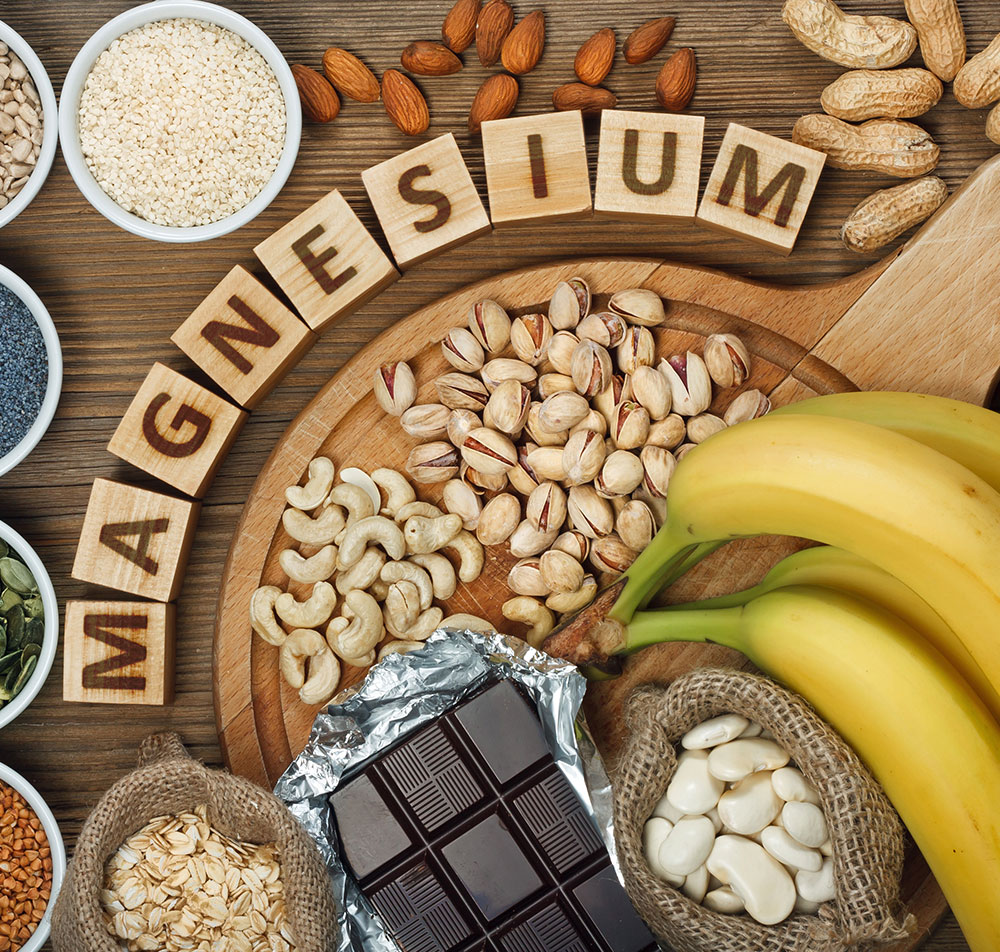
Magnesium is a crucial mineral that plays a vital role in over 300 biochemical processes in the human body. It is the fourth most abundant mineral in the body. One of its important functions is facilitating effective muscle contraction and nerve transmission, thereby helping to prevent muscle cramps.

According to a study, a significant number of participants reported that magnesium treatment was beneficial compared to a placebo.

Specifically, 78% of subjects believed that magnesium had helped them, while only 54% said the same about the placebo.

Furthermore, a large-scale study suggests that a substantial portion of Americans, approximately 75%, do not meet their daily recommended intake of magnesium.

To address this deficiency, a product has been developed that combines various nutrients, including 300mg of high-quality grade magnesium. This combination aims to rapidly increase magnesium levels and alleviate symptoms such as cramps and spasms associated with nutrient deficiency.

Click Here To Learn More About The Natural Product That Combines Various Nutrients

Magnesium is an essential mineral that is involved in numerous biochemical processes in the body. It is necessary for proper muscle function, nerve signaling, energy production, and the maintenance of healthy bones and teeth. Despite its importance, many individuals do not consume adequate amounts of magnesium in their daily diets.

Muscle twitching and cramps are common symptoms of magnesium deficiency. When magnesium levels are low, the muscles may not contract and relax as efficiently as they should, leading to involuntary contractions and spasms. By supplementing with magnesium, individuals can replenish their magnesium stores and potentially alleviate muscle twitches and cramps.

In addition to its role in physical health, magnesium also plays a significant role in mental well-being. Research has shown a potential link between magnesium deficiency and mental health disorders such as anxiety and depression. Magnesium helps regulate neurotransmitters, such as serotonin, which are involved in mood regulation. By ensuring adequate magnesium levels, individuals may experience improvements in their mental health.

Insulin sensitivity, which refers to the body's ability to respond to and utilize insulin effectively, is another area where magnesium is important. Magnesium assists in insulin metabolism and helps maintain normal blood sugar levels. Inadequate magnesium levels have been associated with insulin resistance, a condition that can lead to type 2 diabetes. By optimizing magnesium intake, individuals may enhance their insulin sensitivity and reduce the risk of developing diabetes.

Osteoporosis, a condition characterized by weakening and brittle bones, is also influenced by magnesium levels. Magnesium is involved in the regulation of calcium, another essential mineral for bone health. It helps promote calcium absorption and utilization, preventing its deposition in soft tissues and contributing to the maintenance of strong bones.

Fatigue and muscle weakness are often experienced by individuals with magnesium deficiency. Magnesium is involved in energy production at the cellular level, as it participates in the conversion of food into ATP (adenosine triphosphate), the body's primary energy molecule. By ensuring adequate magnesium levels, individuals may experience increased energy levels and reduced muscle weakness.

Furthermore, magnesium has been studied for its potential benefits in conditions such as severe asthma, heart arrhythmia, insomnia and restless sleep, heightened stress and anxiety, and unhealthful inflammation. While more research is needed in these areas, preliminary evidence suggests that magnesium supplementation may have a positive impact on these conditions.

Click Here To Learn More About The Natural Product That Combines Various Nutrients

Benefits Of Magnesium In Prevent Muscle Cramps


  • Muscle Relaxation: Magnesium helps relax the muscles by blocking calcium entry into muscle cells. This action aids in preventing muscle cramps and spasms.

  • Electrolyte Balance: Magnesium is an essential electrolyte that works in conjunction with other minerals, such as potassium and sodium, to maintain proper fluid balance in the muscles. This balance is crucial for preventing muscle cramps.

  • Improved Muscle Contraction: Magnesium plays a role in facilitating effective muscle contraction. By ensuring sufficient magnesium levels, the muscles can contract and relax smoothly, reducing the likelihood of cramping.

  • Nerve Function: Magnesium is vital for proper nerve function and transmission. Adequate magnesium levels help ensure that nerve signals are transmitted smoothly, minimizing the risk of muscle cramps caused by nerve dysfunction.

  • Enhanced Blood Circulation: Magnesium helps promote healthy blood flow by relaxing and dilating blood vessels. Improved circulation ensures that the muscles receive adequate oxygen and nutrients, reducing the likelihood of cramps.

  • Stress Reduction: Magnesium has a calming effect on the body and helps regulate stress hormones. By reducing stress levels, magnesium can indirectly contribute to preventing muscle cramps that may be triggered or exacerbated by stress.

  • Anti-Inflammatory Properties: Magnesium possesses anti-inflammatory properties that can help reduce inflammation in muscles. By alleviating inflammation, magnesium may help prevent cramps associated with inflammation-induced muscle irritation.

  • Electrolyte Replenishment: During exercise or activities that cause excessive sweating, magnesium is lost through sweat along with other electrolytes. Replenishing magnesium levels can help prevent imbalances and subsequent muscle cramps.

  • Improved Hydration: Magnesium plays a role in water balance within the body. By ensuring adequate hydration, magnesium helps prevent dehydration, which can contribute to muscle cramps.

  • Overall Muscle Health: Magnesium is involved in various enzymatic reactions that support muscle health and function. By maintaining optimal magnesium levels, individuals can promote overall muscle health, reducing the likelihood of cramps.

It's important to note that while magnesium supplementation can be beneficial in preventing muscle cramps, it's advisable to consult with a healthcare professional to determine the appropriate dosage and ensure it is suitable for your individual needs and health condition.

In conclusion, magnesium is a crucial mineral with a wide range of essential functions in the body. Many individuals do not consume enough magnesium in their diets, leading to potential deficiencies. By incorporating magnesium supplementation, individuals may experience improvements in muscle function, mental health, insulin sensitivity, bone strength, fatigue levels, and various other conditions associated with magnesium deficiency. However, it is always advisable to consult with a healthcare professional before starting any new supplementation regimen.

Click Here To Learn More About The Natural Product That Combines Various Nutrients