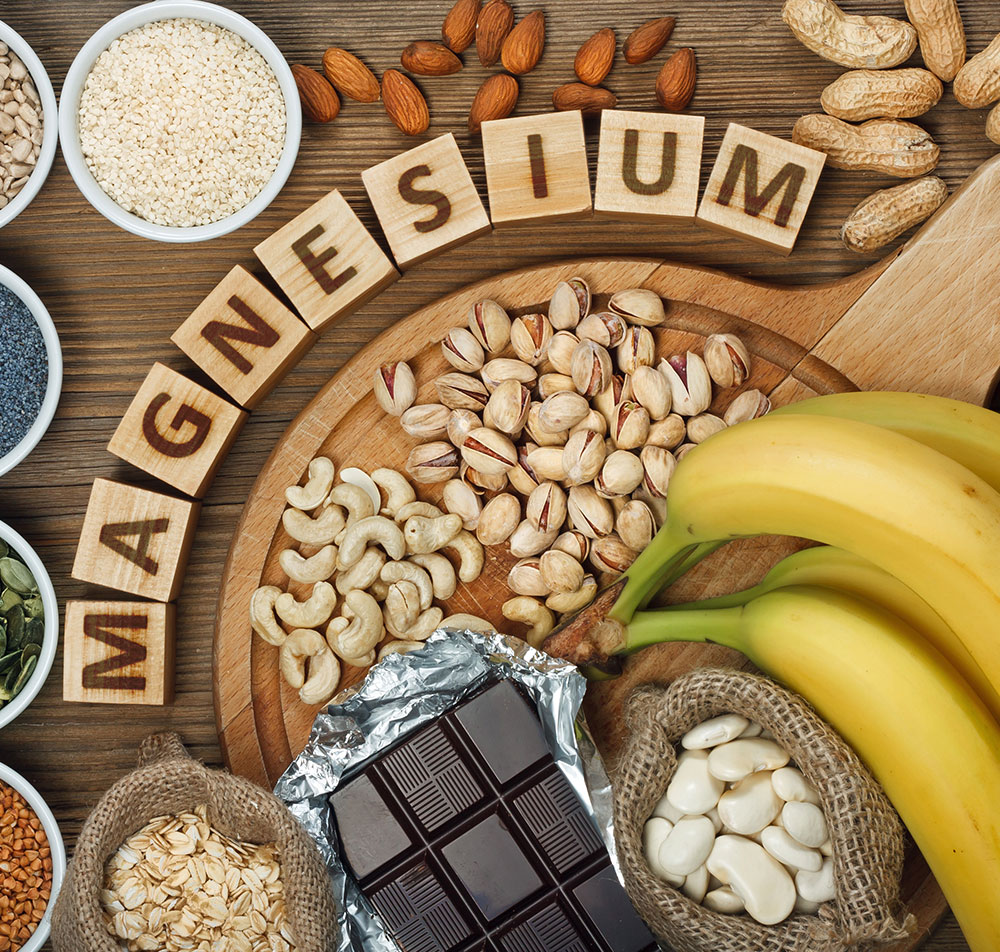
In this comprehensive guide, we delve deeper into the intricacies of this powerhouse nutrient, unveiling a range of effective strategies that can swiftly alleviate muscle cramps and fortify your defenses against their unwelcome return.
Unveiling the Role of Vitamin B Complex: Vitamin B complex, a collective group of water-soluble vitamins, encompasses a range of essential nutrients that play pivotal roles in maintaining optimal muscle function and nerve health. Vitamins such as B1 (thiamine), B6 (pyridoxine), and B12 (cobalamin) are particularly instrumental in supporting nerve transmission, muscle contraction, and energy metabolism. When deficiencies in these vital vitamins occur, it can heighten the risk of muscle cramps and spasms.
Harnessing the Power of Adequate Intake: To harness the full potential of Vitamin B complex in combating muscle cramps, it is crucial to ensure a sufficient daily intake. Incorporating a diverse array of B vitamin-rich foods into your diet can significantly contribute to meeting your body's requirements. Whole grains, legumes, leafy greens, nuts, seeds, lean meats, and fortified cereals are excellent dietary sources of B vitamins. However, in cases where dietary sources may fall short, considering a high-quality Vitamin B complex supplement can help bridge the nutrient gap and ensure optimal intake.
Hydration: The Crucial Component: Proper hydration is a critical element in preventing muscle cramps. Dehydration can disrupt the delicate balance of electrolytes and impair muscle function, making individuals more susceptible to cramps. Alongside Vitamin B complex supplementation, it is essential to maintain adequate fluid intake throughout the day. Water, along with electrolytes like sodium, potassium, and magnesium, helps maintain proper muscle function and prevents imbalances that can trigger cramps.
Embrace the Power of Regular Exercise and Stretching: Regular exercise and stretching play integral roles in preventing muscle cramps. Engaging in a well-rounded exercise routine that includes both cardiovascular activities and strength training can enhance blood circulation, oxygen delivery, and nutrient supply to the muscles. This helps improve muscle strength and flexibility, reducing the likelihood of cramps. Prioritize exercises that target the specific muscle groups prone to cramping, and incorporate dynamic stretching before and after workouts to optimize muscle performance and minimize the risk of cramps.
Finding Balance: Managing Stress and Rest: Stress and fatigue can exacerbate muscle cramps, making stress management and adequate rest crucial aspects of a comprehensive prevention strategy. High levels of stress can lead to muscle tension and increase the likelihood of cramping. Implementing stress reduction techniques such as mindfulness meditation, deep breathing exercises, and engaging in activities that promote relaxation can significantly alleviate stress and its impact on muscle health. Additionally, ensuring sufficient rest and sleep allows the body to recover and repair, promoting optimal muscle function and reducing the risk of cramps.
Click Here To Learn More About The Natural Product That Combines Various Nutrients
Benefits Of Vitamin C Complex In Prevent Muscle Cramps
Nerve Health: Vitamin B complex, including vitamins B1, B6, and B12, supports healthy nerve function, which is essential for proper muscle contraction and relaxation, reducing the occurrence of muscle cramps.
Electrolyte Balance: B vitamins assist in maintaining electrolyte balance in the body, including crucial minerals like sodium, potassium, and magnesium. Adequate levels of these electrolytes are necessary for normal muscle function, preventing cramps.
Energy Metabolism: Vitamin B complex plays a vital role in energy production from carbohydrates, fats, and proteins. By supporting efficient energy metabolism, B vitamins help optimize muscle performance and reduce the risk of muscle cramps.
Muscle Contraction: Vitamin B6 is involved in the synthesis of neurotransmitters, including serotonin and dopamine, which regulate muscle contraction. Sufficient levels of B6 can promote smooth muscle function and decrease the occurrence of cramps.
Magnesium Absorption: Some B vitamins, such as B6, facilitate the absorption and utilization of magnesium, an essential mineral for muscle health. By enhancing magnesium availability, Vitamin B complex contributes to reducing muscle cramps.
Oxygen Delivery: Vitamin B complex aids in the production of red blood cells, which carry oxygen to the muscles. Improved oxygen delivery enhances muscle function and reduces the likelihood of cramps during physical activity.
Reduced Inflammation: B vitamins, particularly B6 and B12, possess anti-inflammatory properties, which can help alleviate inflammation in muscles and decrease the likelihood of cramps caused by inflammation.
Nervous System Support: Vitamin B complex is crucial for maintaining a healthy nervous system. By supporting nerve health and function, B vitamins contribute to reducing the occurrence of muscle cramps triggered by nerve dysfunction.
Improved Muscle Recovery: Vitamin B complex aids in muscle repair and recovery after intense exercise. By promoting efficient muscle tissue regeneration, B vitamins can prevent cramps associated with muscle fatigue or overexertion.
Stress Reduction: B vitamins play a role in regulating stress hormones and promoting a balanced mood. By reducing stress and anxiety levels, Vitamin B complex can help prevent muscle cramps triggered by heightened stress responses.
Note: While Vitamin B complex can be beneficial in reducing muscle cramps, it is essential to consult with a healthcare professional for personalized advice and to determine the appropriate dosage and supplementation plan for your specific needs.
Click Here To Learn More About The Natural Product That Combines Various Nutrients
How Vitamin B Complex Has The Following:
Vitamin B Complex, renowned for its diverse array of benefits, has garnered attention as a vital nutrient in promoting overall health and vitality. Delving into the depths of its remarkable capabilities, we uncover the ways in which Vitamin B Complex contributes to various aspects of well-being, from muscle function to cellular health and beyond. Let's explore how this powerhouse nutrient supports:
Alleviating Muscle Twitches and Cramps: Vitamin B Complex has been demonstrated to effectively address muscle twitches and cramps. By optimizing nerve function and aiding in muscle contraction and relaxation, it plays a pivotal role in minimizing involuntary muscle contractions, bringing relief and restoring muscle comfort.
Nurturing Cellular Health: With its profound influence on cell metabolism, Vitamin B Complex acts as a catalyst for maintaining healthy cells throughout the body. It supports essential cellular processes, bolstering the body's resilience and ensuring optimal functioning.
Facilitating Red Blood Cell Growth: An integral component of Vitamin B Complex, such as vitamin B12, contributes to the production of red blood cells. These cells are responsible for delivering oxygen to tissues and organs, promoting robust oxygenation and vitality.
Enhancing Muscle Tone: Vitamin B Complex provides a vital foundation for enhancing muscle tone. It aids in the synthesis of proteins necessary for muscle growth and repair, fostering optimal muscle development and toning.
Boosting Energy Levels: By playing a fundamental role in energy metabolism, Vitamin B Complex assists in converting food into usable energy. This nutrient powerhouse helps fuel the body's vital functions, promoting sustained energy levels and combating fatigue.
Supporting Good Eyesight: Certain components of Vitamin B Complex, such as vitamin B2 (riboflavin), contribute to maintaining good eyesight. They support ocular health by combating oxidative stress and promoting optimal functioning of the visual system.
Nourishing Healthy Brain Function: Vitamin B Complex plays a critical role in maintaining healthy brain function. It supports neurotransmitter synthesis, aiding in cognitive processes such as memory, focus, and mood regulation, fostering a sharp and agile mind.
Ensuring Good Digestion: With its involvement in the production of digestive enzymes, Vitamin B Complex contributes to healthy digestion. It assists in breaking down carbohydrates, fats, and proteins, facilitating nutrient absorption and supporting a well-functioning digestive system.
Stimulating Healthy Appetite: Vitamin B Complex can help regulate and stimulate a healthy appetite. It aids in maintaining proper functioning of the digestive system and plays a role in appetite-regulating mechanisms, ensuring optimal nourishment.
Maintaining Correct Nerve Function: Vitamin B Complex acts as a guardian of nerve health, ensuring proper transmission of signals throughout the body. By supporting the integrity and functionality of the nervous system, it helps maintain correct nerve function, promoting overall well-being.
The multifaceted benefits of Vitamin B Complex are a testament to its significance in promoting optimal well-being. From alleviating muscle twitches and cramps to nurturing cellular health, supporting energy levels, and maintaining correct nerve function, this powerhouse nutrient plays a vital role in fostering a balanced and thriving body. Embrace the power of Vitamin B Complex and unlock its potential to enhance your overall vitality and quality of life.
Click Here To Learn More About The Natural Product That Combines Various Nutrients
By unlocking the power of Vitamin B complex and implementing these effective strategies, individuals can empower themselves to swiftly alleviate and prevent muscle cramps. Understanding the role of Vitamin B complex, ensuring adequate intake through a balanced diet or supplementation, maintaining proper hydration, incorporating regular exercise and stretching, and managing stress levels while prioritizing rest can form a comprehensive approach to combat muscle cramps effectively. Embrace the potential of Vitamin B complex and embark on a journey towards freedom from muscle cramps, enjoying a life of enhanced mobility and comfort.
Click Here To Learn More About The Natural Product That Combines Various Nutrients